
Discipline: History

  • Coal Miners Digital Archive

    Coal Miners Digital Archive

    This project aims to preserve and document the history of coal mining in Alabama through the creation of a digital archive. Coal mining has played a significant role in the state’s industrial development, shaping the lives of workers and their communities while leaving a lasting impact on Alabama’s economic and cultural history. By collecting and organizing historical materials related to the industry, the archive seeks to make these resources more accessible to researchers and the public. Digitizing these records helps preserve the experiences of mining communities and provides a foundation for studying the labor, social conditions, and economic changes associated with Alabama’s coal industry.

    Supported By:

    Project Status:
    In Development

    Project Owner(s):
    Julia Brock

    Contributor(s):
    Allison Grant
    Kristina Mullenix

    Discipline:
    History

    Research Method(s):
    Oral History
    Primary Sources

    Topic(s):
    Coal Miners
    Mining Communities

    Suggested Citation:

    Brock, Julia, Allison Grant, and Kristina Mullenix. “Coal Miners Digital Archive.” Alabama Digital Humanities Center.

  • Minerva

    Minerva

    This project aims to preserve and analyze the first epoch of Minerva, a magazine by and for Afro-Cuban women published in 1888–1889. Appearing just two years after the final abolition of slavery in Cuba and roughly a decade before the island’s independence from Spain, the periodical emerged during a period of significant social and political change. At a time when writing by racialized women is extraordinarily difficult to find, Minerva provides a rare record of Afro-Cuban women’s intellectual lives, experiences, and perspectives. By studying and preserving its writings, the project seeks to recover the contributions of Afro-Cuban women to discussions of freedom, identity, and citizenship while making their overlooked literary and historical legacy more accessible.

    Supported By:

    Project Status:
    In Development

    Project Owner(s):
    Sarah Moody

    Discipline:
    History

    Research Method(s):
    Primary Sources
    Translation

    Topic(s):
    Afro-Cuban Women
    Cuban History

    Suggested Citation:

    Moody, Sarah. “Minerva.” Alabama Digital Humanities Center.
  • Queer Southern History

    Queer Southern History

    A collection of Oral Histories of Queer folks in West Alabama.

    Supported By:

    Project Status:
    Live

    Website Link:
    https://adhc.lib.ua.edu/Queer_History_South/s/sqh-oralhistories/page/browse

    Project Owner(s):
    John Giggie

    Discipline:
    History

    Research Method(s):
    Oral History
    Documentary Research

    Topic(s):
    Queer Culture
    West Alabama

    Suggested Citation:

    Giggie, John. “Queer Southern History.” Alabama Digital Humanities Center. https://adhc.lib.ua.edu/Queer_History_South/s/sqh-oralhistories/page/browse.
  • Vietnam War Oral History Archive

    Vietnam War Oral History Archive

    This oral history archive has been created by students in Dr. Sarah Steinbock-Pratt’s class on the Vietnam War. The course explores the long history of the Vietnam War, beginning with early Vietnamese history and colonization.

    Over the course of the semester, students have explored different perspectives on the wars in Vietnam, American and Vietnamese notions of freedom during the Cold War, the intersection of domestic and foreign policies and politics, the construction of ideas about race, gender, and national identity, the politics of memory and the conflicted ways that the war has been remembered and commemorated. They then conducted oral history interviews and crafted websites to places these interviews into historical context.

    Supported By:

    Project Status:
    Live

    Website Link:
    https://adhc2.ua.edu/VOH/s/vietnamwaroralhistoryarchive/page/home

    Project Owner(s):
    Sarah Steinbock-Pratt

    Discipline:
    History

    Research Method(s):
    Digital Pedagogy
    Oral History

    Topic(s):
    Vietnam War

    Course:
    HY 341: Hy US – Vietnam War

    Suggested Citation:

    Steinbock-Pratt, Sarah. “Vietnam War Oral History Archive.” Alabama Digital Humanities Center. https://adhc2.ua.edu/VOH/s/vietnamwaroralhistoryarchive/page/home.

  • Civil War and Reconstruction Governors of Alabama​

    Civil War and Reconstruction Governors of Alabama​

    Professors Julia Brock and Leslie Gordon and a team of students have partnered in this project with the Alabama Department of of Archives and History to transcribe and collocate the correspondence of Alabama governors from the civil war and reconstruction era.

    Supported By:

    Project Status:
    Live

    Website Link:
    https://adhc.lib.ua.edu/cwrga/s/home

    Project Owner(s):
    Julia Brock
    Lesley Gordon

    Discipline:
    History

    Research Method(s):
    Primary Sources
    Transcription
    Pedagogy

    Topic(s):
    Civil War
    Reconstruction

    Suggested Citation:

    Brock, Julia, and Lesley Gordon. “Civil War and Reconstruction Governors of Alabama​.” Alabama Digital Humanities Center. https://adhc.lib.ua.edu/cwrga/s/home.
  • Journal of A Pandemic Year

    Journal of A Pandemic Year

    This digital museum accompanies Peacock and Peterson’s book, A Deeper Sickness: Journal of America in the Pandemic Year. Beacon Press, 2022.

    The DAILY ENTRIES cover 200 days of the year 2020. Search for a particular day using the tool in upper right corner of the site, or just get started here!. You can explore over 12,000 sources collected from the year, along with an extraordinary amount of additional material including interview transcripts, social media posts, submitted eyewitness accounts, and plenty of historical analysis.

    In the EXHIBITS section are housed essays from scholars around the country, creative works submitted by renowned artists, and meritorious undergraduate research projects—all of them dedicated to the study of 2020.

    Memory fades. Alongside the book, this site is an attempt to keep that memory raw. You might disagree with our analyses of these events. We encourage you to examine the sources for yourself. There are certain realities about this year that should not be forgotten. Yet Americans, as we found, too often substitute folklore for history.

    Supported By:

    Project Status:
    Live

    Website Link:
    https://adhc.lib.ua.edu/pandemicbook/


    Project Owner(s):
    Margaret Peacock
    Erik Peterson

    Discipline:
    History

    Research Method(s):
    Documentary Research
    Primary Sources

    Topic(s):
    COVID-19

    Suggested Citation:

    Peacock, Margaret, and Erik Peterson. “Journal of A Pandemic Year.” Alabama Digital Humanities Center. https://adhc.lib.ua.edu/pandemicbook/.
  • The History of Enslaved People at UA, 1828-1865

    The History of Enslaved People at UA, 1828-1865

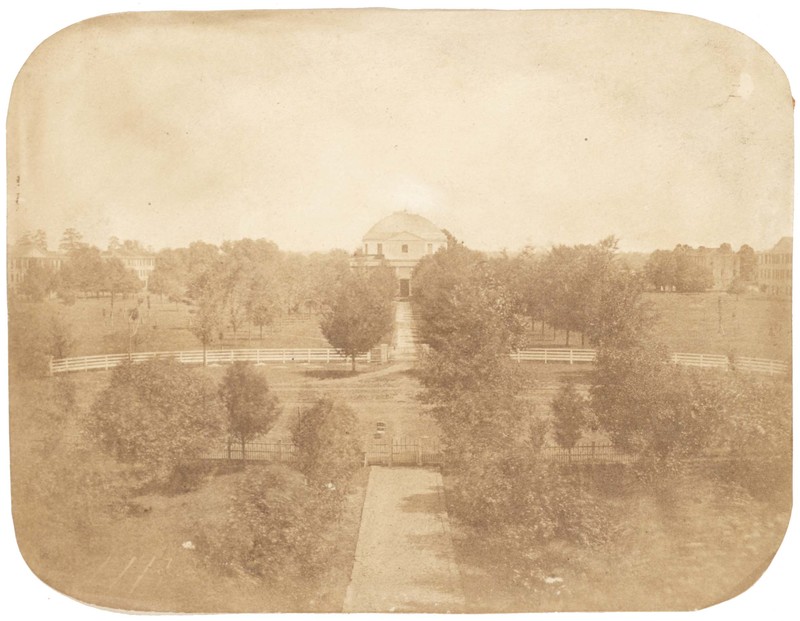
    This project is the result of the work of the Task Force for Studying Race, Slavery, and Civil Rights at UA and documents their comprehensive assessment of University of Alabama Administration Records for the period up to 1865. This project seeks to ensure that all materials pertaining to slavery at the university is identify and transcribe the contents of the main record sets from this time including President Basil Manly’s diaries, President Landon Garland’s letterbooks, the Faculty Minutes, and the collection most commonly referred to as the “slave receipts.” Most important of all, however, was identifying as many of the enslaved individuals who labored on UA’s campus, or who were enslaved by faculty and college presidents, as possible and entering those names, and the records associated with them, in a database.

    Supported By:

    Project Status:
    Live

    Website Link:
    https://studyingslavery.ua.edu/s/uastudyingslavery/page/home

    Project Owner(s):
    The University of Alabama Department of History
    Discipline:
    History

    Research Method(s):
    Documentary Research
    Primary Sources

    Topic(s):
    Enslaved People

    Suggested Citation:

    The University of Alabama Department of History. “The History of Enslaved People at UA, 1828-1865.” Alabama Digital Humanities Center. https://studyingslavery.ua.edu/s/uastudyingslavery/page/home.
  • Letters from the Scottsboro Boys Trials

    Letters from the Scottsboro Boys Trials

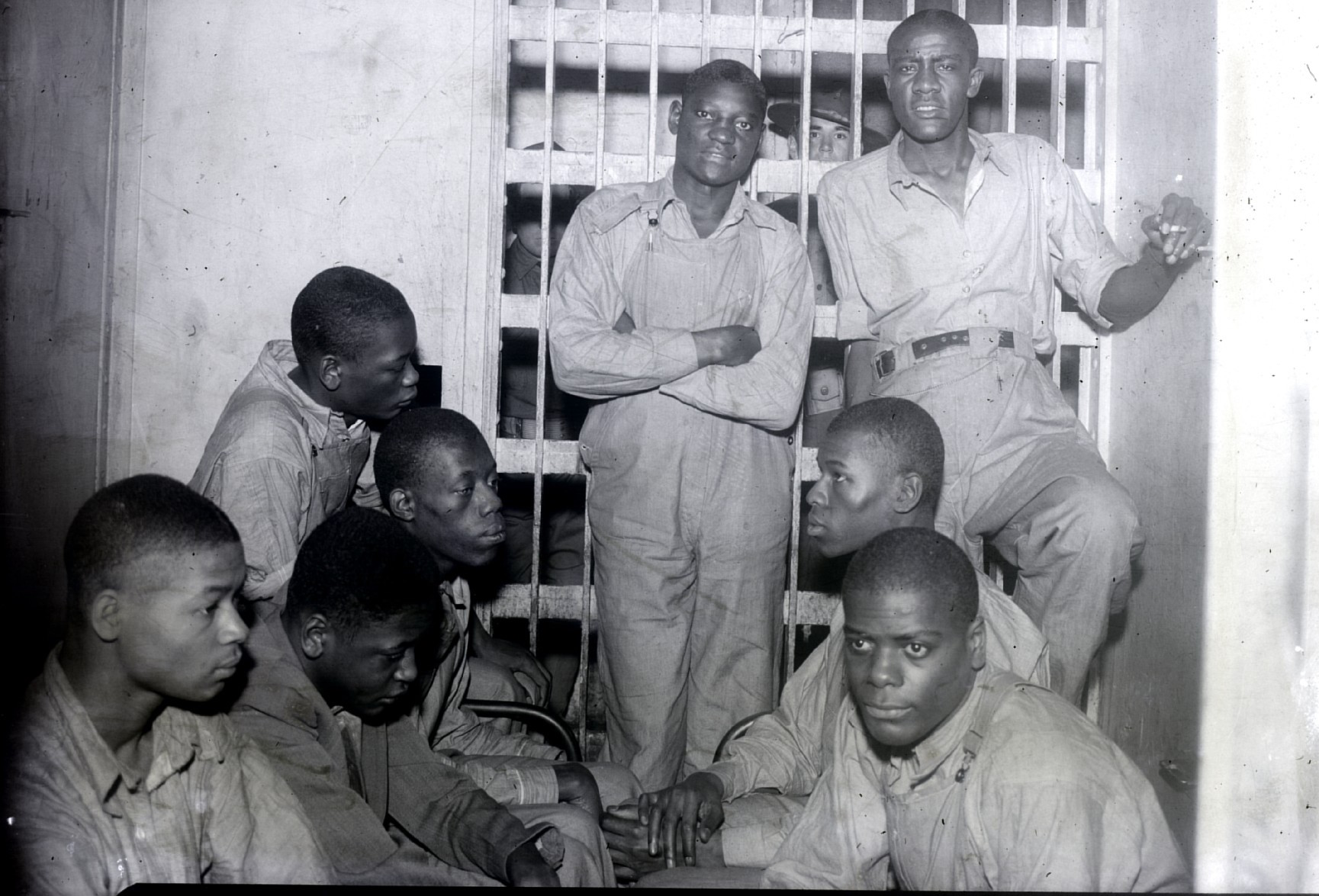
    More than eighty years ago, on March 25, 1931, nine young African Americans hopped a train in a Chattanooga freight yard and headed west to seek work. Instead, they found themselves joined together at the center of a life and death courtroom drama, falsely accused of rape. The Scottsboro Boys’ cases focused an international spotlight on Jim Crow in America in the 1930s. In 2013, Alabama legislators passed two bills, acknowledging that the men were “victims of a gross injustice.” One, a resolution, exonerated the nine defendants; and the other created a law making it possible to grant posthumous pardons to the Scottsboro defendants. Part of the Scottsboro Boys Museum University-Community partnership, this digital project aims to create a curated online repository of letters about the Scottsboro Boys Trials sent to Alabama governors during the 1930s from a wide range of correspondents to shed new light on these pivotal historical events.

    Supported By:

    Project Status:
    Live

    Website Link:
    https://scottsboroboysletters.barefield.ua.edu/

    Project Owner(s):
    Ellen Spears (Retired)

    Discipline:
    History

    Research Method(s):
    Primary Sources
    Digital Archive

    Topic(s):
    Scottsboro Boys
    Civil Rights
    Alabama

    Suggested Citation:

    Spears, Ellen. “Letters from the Scottsboro Boys Trials.” Alabama Digital Humanities Center. https://scottsboroboysletters.barefield.ua.edu/.

  • Alabama Memory

    Alabama Memory

    Inspired by the work of Ida B. Wells, W. E. B. Du Bois, and the Equal Justice Initiative in Montgomery, the Alabama Memory Project is an ongoing attempt to recapture the lives of the lynching victims and attempted lynching victims in Alabama before the worst day of their lives. We consider attempted lynchings along with documented lynchings in an effort to capture the breadth of lynch violence and its impact on survivors and their communities.

    The Black men, women, and children who were lynched died twice to history. First, when their lives were taken by lynch mobs; and again, when history failed to record their story. There are over 800 documented cases of racial terror lynchings in the state of Alabama. We hope that by sharing their names and their stories, this project will provide a measure of justice and a different memory of the past. This project is an ongoing effort.

    Supported By:

    Project Status:
    Live

    Website Link:
    https://adhc1.ua.edu/alabama_memory/

    Project Owner(s):
    John Giggie

    Discipline:
    History

    Research Method(s):
    Primary Sources
    Mapping

    Topic(s):
    Lynching Victims

    Suggested Citation:

    Giggie, John. “Alabama Memory.” Alabama Digital Humanities Center. https://adhc1.ua.edu/alabama_memory/.