Background
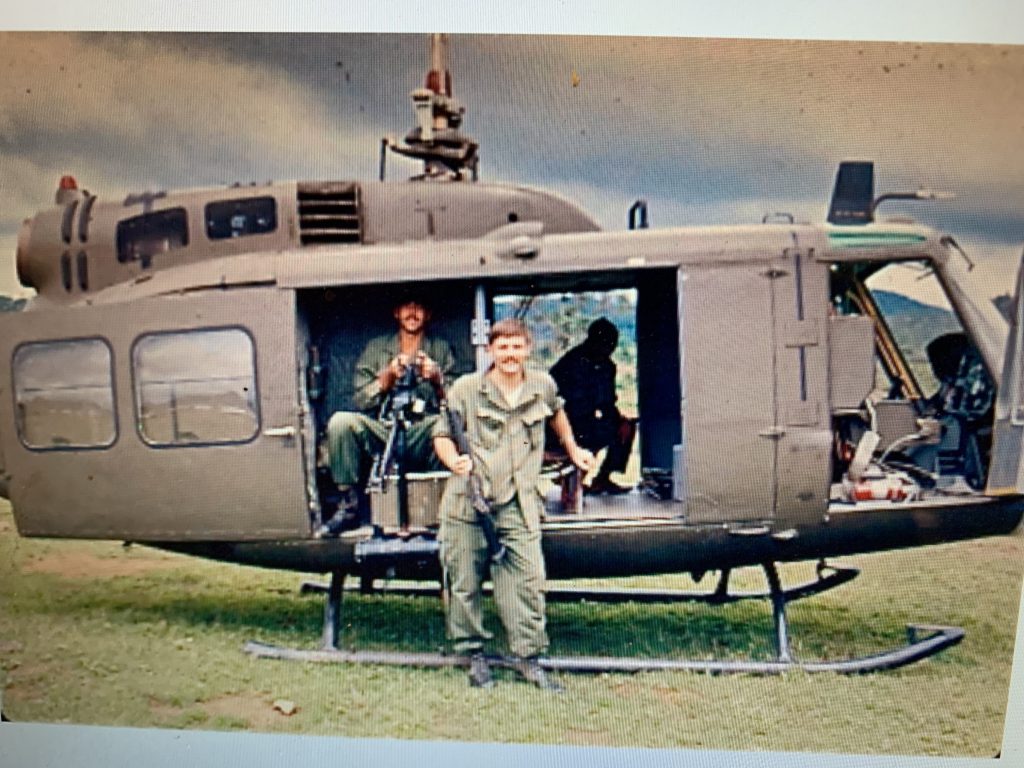
Glen Smith was born in Mobile, Alabama, and graduated from Birmingham Southern College. He later attended the University of Alabama College of Dentistry (now known as the UAB College of Dentistry), graduating in 1969. He joined the United States Army in 1969 and served until 1992.
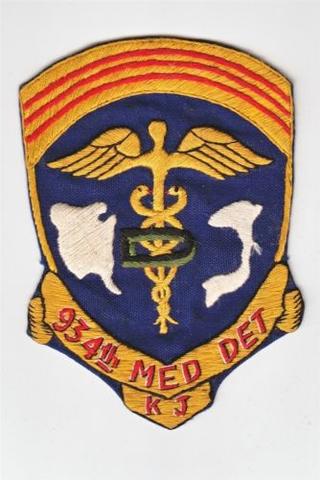
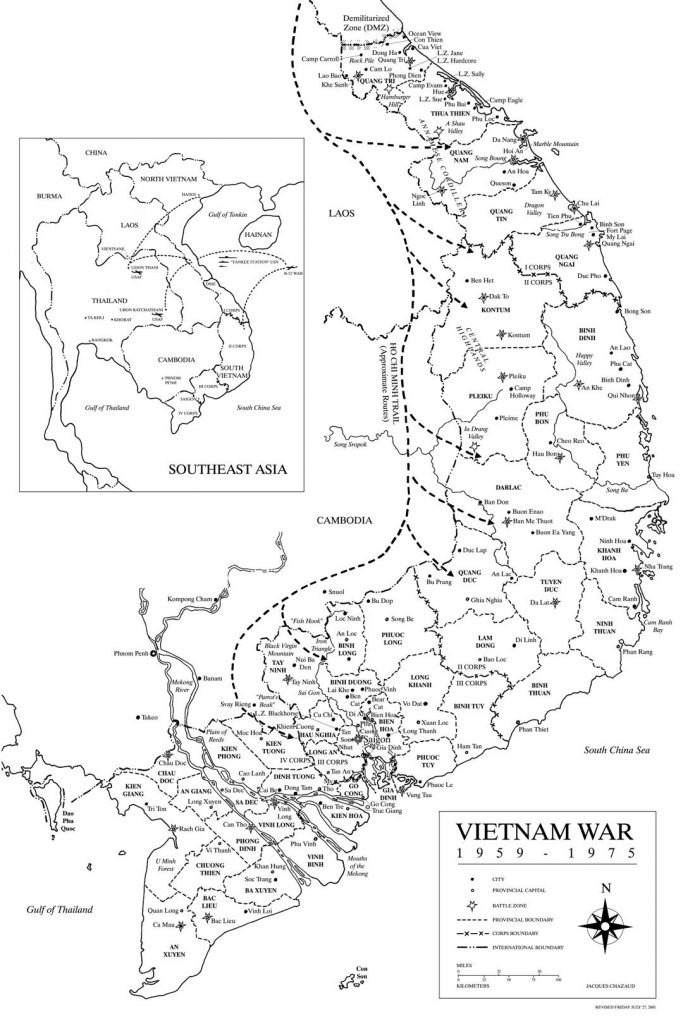
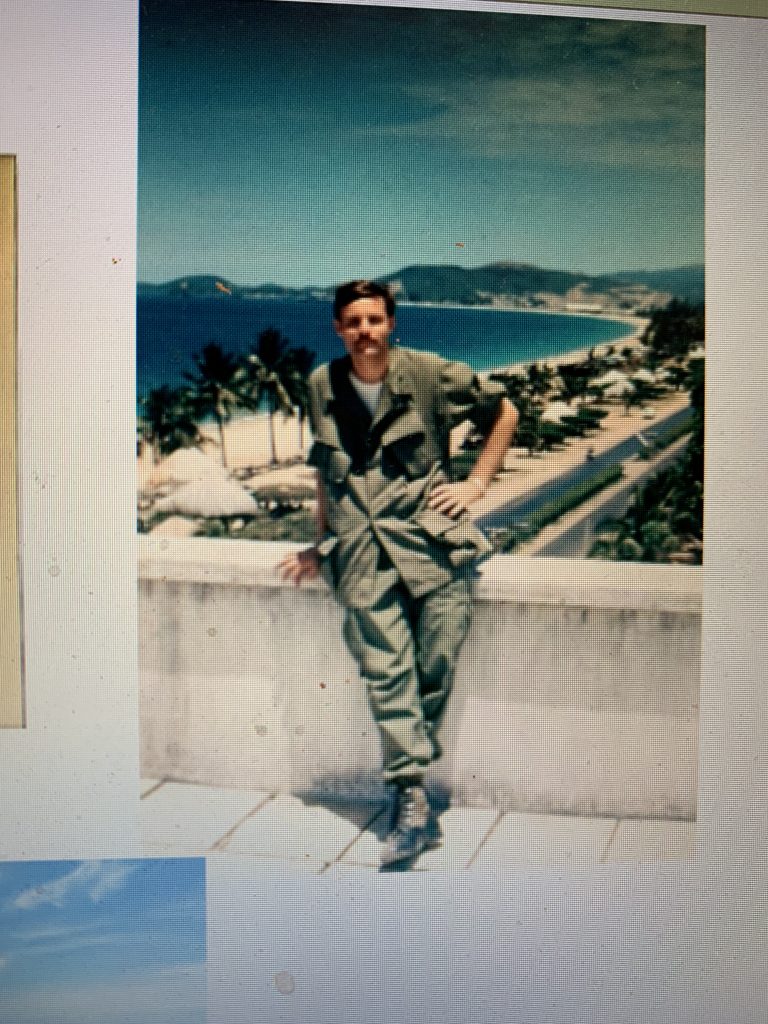
Mr. Smith served as a dentist during his time in Vietnam, from 1970-1971, as a member of the US Army’s 934th Medical Service Detachment. Mr. Smith was one of nearly 2,800 Army Dental officers sent to Vietnam during the war. He served a month at Nha Trang on the coast, before being sent to Da Lat in the Central Highlands. Reflecting on his time at Nha Trang, he notes his time as “atypical” compared to many other veterans’ experiences. He mentions steak brunches every Sunday with his fellow officers, and clean pressed uniforms every morning being delivered to him.
“Well, I’ve told people it was probably the most extraordinary year of my life, but I actually kind of liked what we were doing.”
Mr. Glen Smith
When he was in dental school, Mr. Smith came across an Armed Forces early commissioning program, and decided to apply to it. While he joked it wasn’t too smart for him to join while there was a war going on, he mentioned at the time, if dental graduates didn’t specialize or go back to their hometown, they joined the military. Since the other branches had given all their commissions already, it made Mr. Smith’s decision easy, and he chose the Army.
US Army Dentists in Vietnam
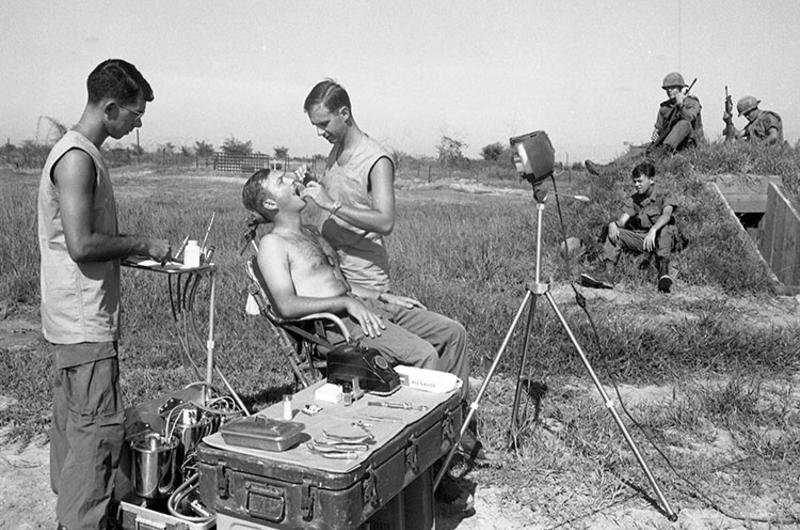
Dentists became a major part of the Vietnam War in 1968 when on-the-ground commanders requested more of them to be deployed to Vietnam to help reduce the number of soldiers that had to be removed from actively serving in combat due to dental emergencies. Equipment and number of dental personnel increased by 20% in ’68, before Smith arrived in Vietnam two years later. Mr. Smith pointed out that dentists like him were stationed on bases across Vietnam, or in other cases, sent out with units such as the First Air Calvary or 101st Airborne. In Vietnam, some of his responsibilities included treating soldiers and local Vietnamese people. He also would commute to and from headquarters for supplies and continued education.
“And then one of the things that went on in my unit was if you were a dentist, that was in a clinic, and there were a couple of large clinics, and then we had one man clinics around. And I was in a one man clinic, but I had assistants who are enlisted men. But after six months, some of the dentists in my unit were out, not in a clinic, but assigned to a unit like the 101 Infantry Division or the First Air Cav or somebody like that. That’s a different deal and probably a little bit more of a hardship deal than the guys that were in the clinics. So, these people who were out with the units, after six months, if they wanted to come leave and come back to a clinic, then somebody in the clinic would have to go take their place.”
Mr. Glen Smith reflects on his time as a dentist in Vietnam
Withdrawal of US Combat Forces
The United States began withdrawing combat troops from Vietnam in 1969. By the time Mr. Smith got to Vietnam, most of US combat troops were pulled out. Mr. Smith reflects his tour being “fairly quiet”, and his worse experience being an intestinal parasite causing him to lose nearly 40 pounds.
Cambodian Invasion, 1970

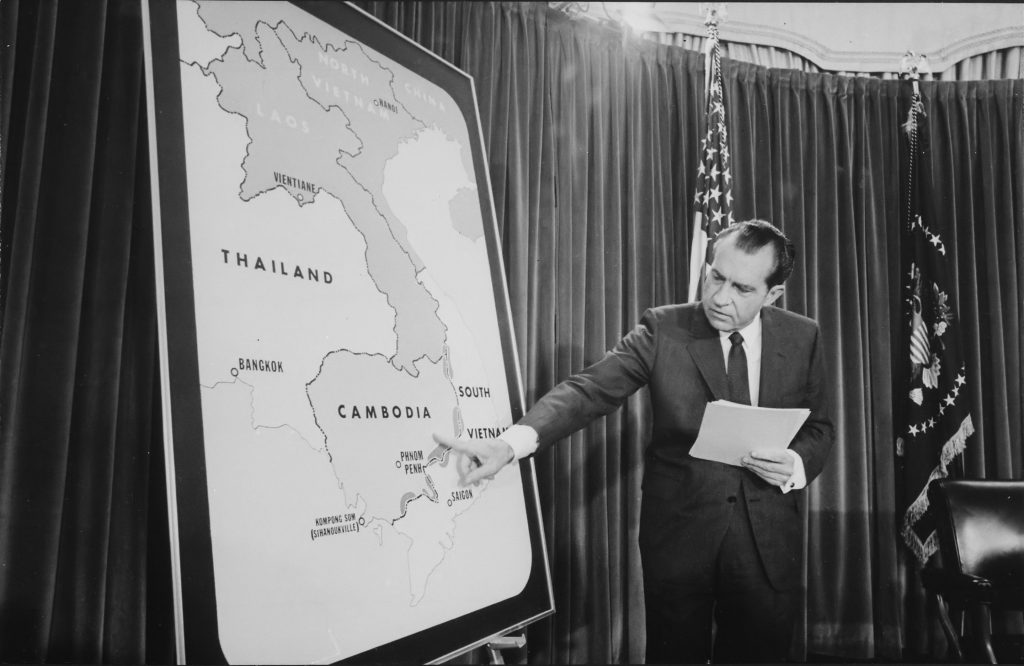
One of the major events of the Vietnam War that occurred while Mr. Smith was stationed in Vietnam was the Cambodian Invasion in 1970. Mr. Smith mentioned early in his interview, he arrived in Vietnam right on the heels of the Cambodian Invasion. In 1970 President Nixon made the decision to invade Cambodia and Laos, after a bombing campaign of Cambodia the year before. The US had also been mulling over a ground invasion of Cambodia in the years before that. The move was a part of what Henry Kissinger described as “coercive diplomacy”.
“I didn’t have a problem with us going into and then we had a Laotian invasion. I think that did happen while I was there. That was not nearly as successful, but I thought it made sense to me to go clean out. Why observe you’re fighting these people? Why observe some arbitrary line between countries? It’s the enemy. They’re still the enemy. Why not go take away their resources to sustain a fight? But Americans, people in the US. Didn’t like it. They thought they were expanding the war instead of finishing the war and getting out. So, I didn’t have any problem with that. I later came to know a physician who actually ended up living where I was living after it but he was involved in the Cambodian invasion over there slogging through with the troops.”
Mr. Glen Smith
Vietnamization and the CORDs Program

Mr. Smith also spoke about Vietnamization, and his role as a part of it. Specifically, Mr. Smith served as a member of the Civil Operations and Rural Development program, better known as CORDs. Coordinated by the US Department of State, the CORDs program provided military and civil support for the pacification of Vietnam. Hoping they could build support from the ground up, US soldiers like Mr. Smith and counterparts at the Department of State and other US agencies engaged with local communities in rural outreach projects, all with the goal of stopping the spread of communism and building support for the American cause. Mr. Smith as a member of a small team, would be flown in by helicopter to Vietnamese villages, where he administered dental care to rural villagers.
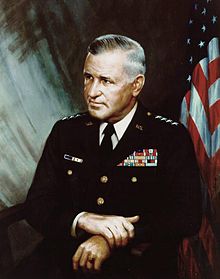
Mr. Smith reflects on the decision for the CORDs program to be enacted was one of recognition for a need to change from a strategy of attrition in Vietnam, to that of getting the Vietnamese to like American presence. He credits this to General Creighton Abrams. During his time extracting teeth from Vietnamese villagers, he mentioned he “got along great” with the Vietnamese. He also shared the villagers were very trustworthy in his eyes. Even though Mr. Smith got along well with the villagers, and only had positive experiences to share, when asked if he ever was fearful of the Viet Cong or other attackers, he shared that he was:
“I was. Particularly. I was…I didn’t know what kind of situation I was going into. And I remember on one trip I was the only guy, plus two assistants, two dental assistants. We didn’t have anybody else. And then the helicopter would drop us off and leave, I said oh…And we had weapons… And always worried that and we would be looking to be extracted out of there at midday and always worried that the helicopter couldn’t get in.”
Mr. Glen Smith
Post-War
After his year in Vietnam, he returned to the United States where he continued to serve in the US Army as a dentist until 1992. During the remainder of his Army service, he trained fellow dentist, and served in Georgia, and Ft. Campbell in Kentucky. While stationed in Georgia, he for a brief time lived down the street from Lt. William Calley, the convicted officer behind the My Lai Massacre, who was there on house arrest after his conviction. After retiring from the Army, he served with the Jefferson County Department of Health, and now is retired and lives in Tuscaloosa with his wife.
Interview with Mr. Glen Smith, October 2023
Sources
- https://adst.org/2020/10/cords-a-new-pacification-program-for-vietnam/
- https://apps.dtic.mil/sti/citations/ADA557422.
- Hastings, Max. Vietnam: An Epic Tragedy, 1945-1975. New York, NY: Harper Perennial, 2019.
Further Reading (By Mr. Smith’s own recommendation)
Sorley, Lewis. A Better War: The Unexamined Victories and Final Tragedy of America’s Last
Years in Vietnam. Orlando, FL: Harcourt, Inc., 2007.