Jennifer Feltman
Associate Professor of Medieval Art & Architecture
Dr. Jennifer Feltman, associate professor of art history at the University of Alabama, is an internationally recognized specialist on Gothic architectural sculpture in France. She was the only American member of the Chantier scientifique de Notre-Dame, the team of scientists and historians authorized by the French Ministry of Culture and French National Research Center (CNRS) to study the cathedral during its restoration and is currently a member of team of researchers studying the recently excavated fragments of the Notre-Dame choir screen. Some of this research has featured in the PBS-Nova Documentary Lost Tombs of Notre-Dame and in the journal Dossiers d’archeologie.
She is PI for Notre-Dame In Color, an international collaborative project to digitally document, analyze, and preserve the once-vibrant sculptures of Notre-Dame de Paris. The digital project is hosted by the Alabama Digital Humanities Center.
Feltman’s research has been supported by an Albertine Foundation–Transatlantic Research Partnership, a program of the French Embassy in the United States, the National Endowment for the Humanities, and the Collaborative Arts Research Initiative. She was the recipient of the 2025 University of Alabama, Blackmon-Moody Outstanding Professor Award and is currently a Barefield College of Art & Sciences Leadership Board Fellow.
Preserving Notre-Dame’s sculptures:
the promise and challenges of 3d digitization


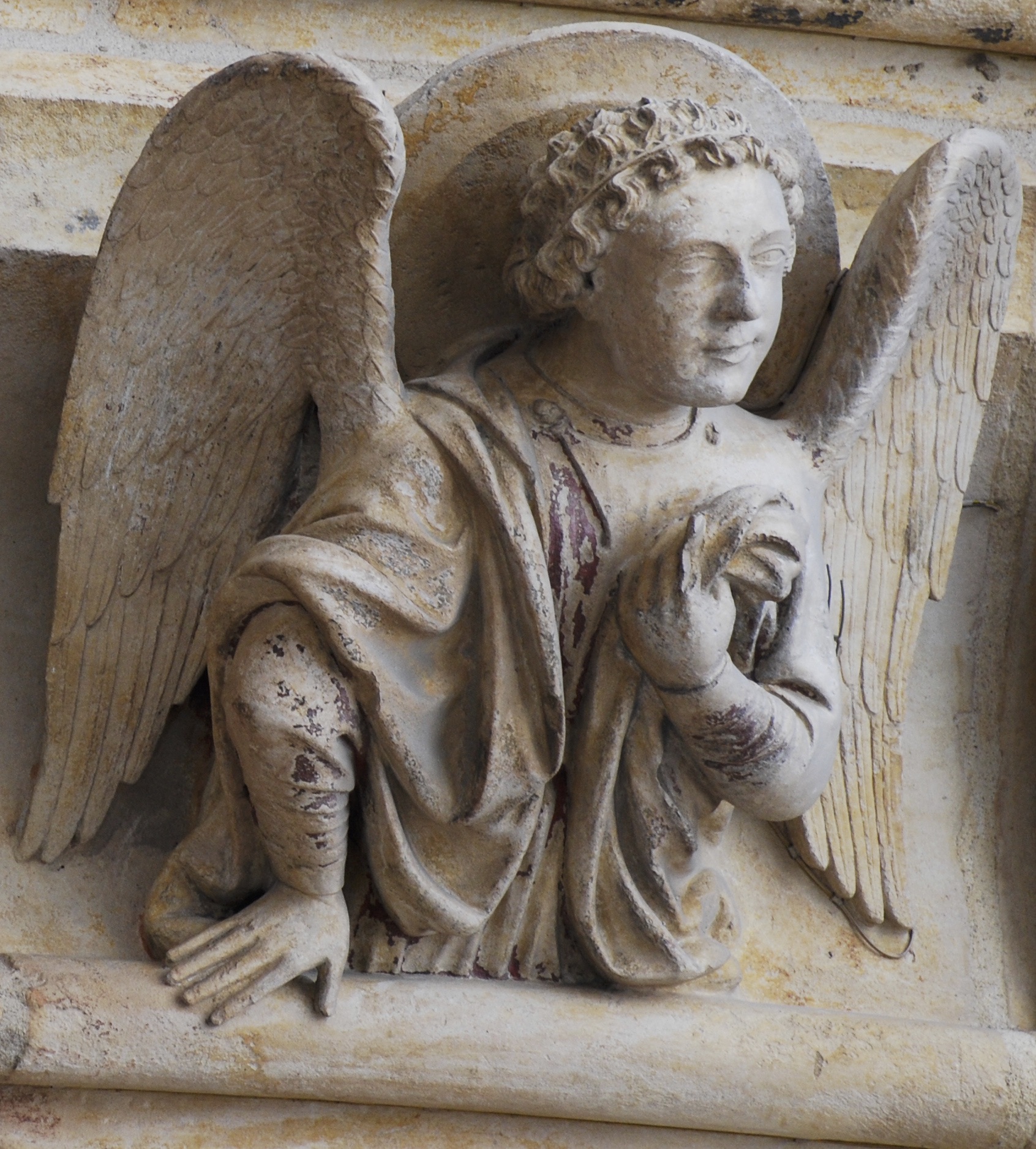
Limestone sculptures are complex 3D objects. Documentation using digital scanning and photogrammetry allows us to produce precise models that preserve a record of these sculpture and to study them in ways not possible with physical artifacts. Over the course of history, many Gothic sculptures have been damaged and removed from their original contexts in periods of neglect, intentional demolition, or through iconoclasm. One aspect of my research involves creating accurate 3D models of such fragments with the goal of virtually reconstruct works of art. We do this in a digital space, but we may also print 3D models that can be used to test the connection of fragments.
Over the course of history, many Gothic sculptures were damaged and/or removed from their original contexts either in periods of neglect, through intentional demolition, or through iconoclasm. One aspect of my research involves creating accurate 3D models of such fragments to document their precise morphology. These models can be used to match broken fragments from the same monument and virtually reconstructing the original object in digital space.

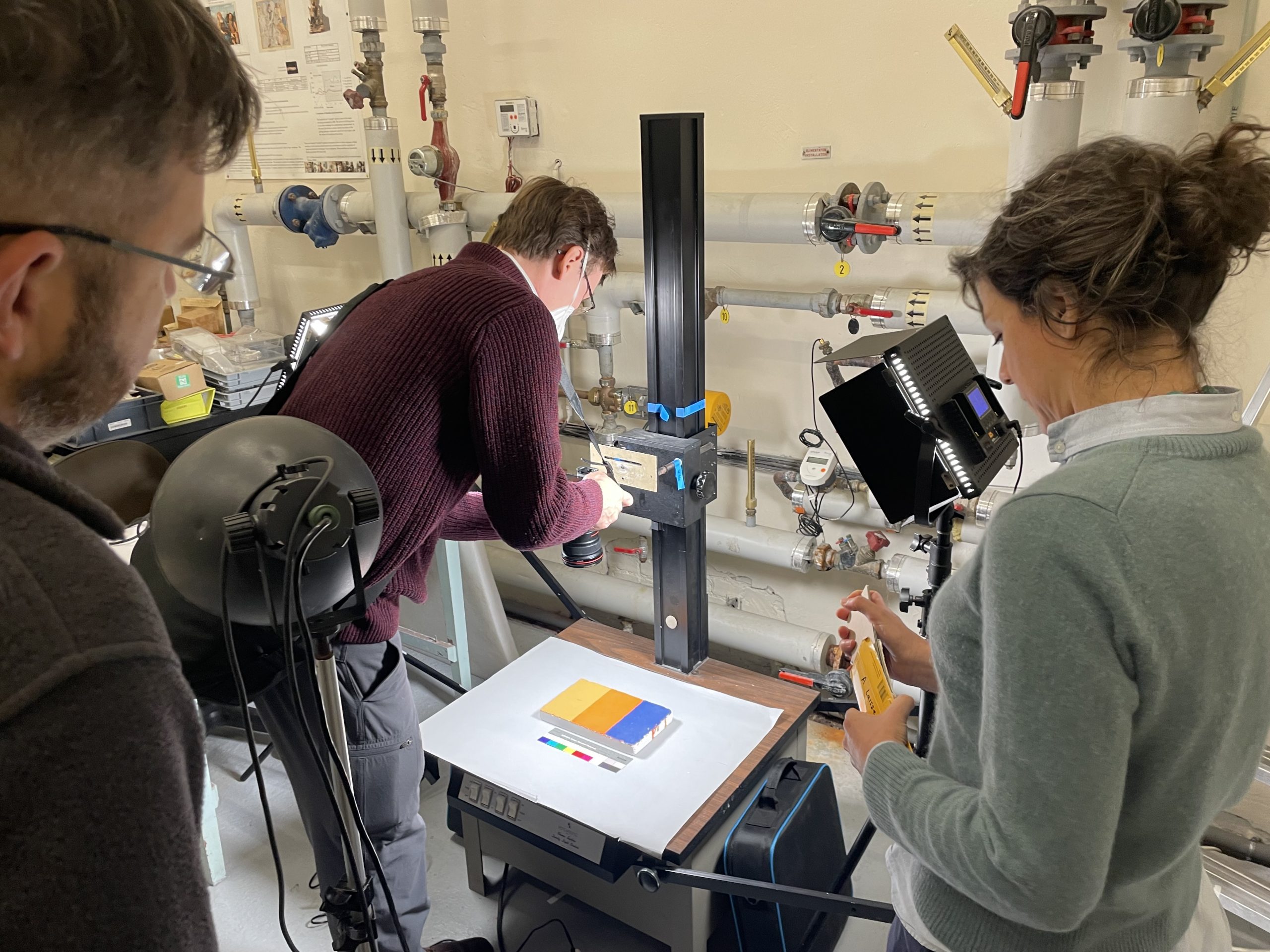

Because Gothic sculptures are complex 3D objects, they cannot be adequately documented using only 2D photographs and measurements. 3D digital scanning and photogrammetry allows us to produce precise models that preserve a record of their morphologies and to study them in ways not possible with physical artifacts.