Author: adhcadmin

  • Vietnam War Oral History Archive

    Vietnam War Oral History Archive

    This oral history archive has been created by students in Dr. Sarah Steinbock-Pratt’s class on the Vietnam War. The course explores the long history of the Vietnam War, beginning with early Vietnamese history and colonization.

    Over the course of the semester, students have explored different perspectives on the wars in Vietnam, American and Vietnamese notions of freedom during the Cold War, the intersection of domestic and foreign policies and politics, the construction of ideas about race, gender, and national identity, the politics of memory and the conflicted ways that the war has been remembered and commemorated. They then conducted oral history interviews and crafted websites to places these interviews into historical context.

    Supported By:

    Project Status:
    Live

    Website Link:
    https://adhc2.ua.edu/VOH/s/vietnamwaroralhistoryarchive/page/home

    Project Owner(s):
    Sarah Steinbock-Pratt

    Discipline:
    History

    Research Method(s):
    Digital Pedagogy
    Oral History

    Topic(s):
    Vietnam War

    Course:
    HY 341: Hy US – Vietnam War

    Suggested Citation:

    Steinbock-Pratt, Sarah. “Vietnam War Oral History Archive.” Alabama Digital Humanities Center. https://adhc2.ua.edu/VOH/s/vietnamwaroralhistoryarchive/page/home.
  • Civil War and Reconstruction Governors of Alabama​

    Civil War and Reconstruction Governors of Alabama​

    Professors Julia Brock and Leslie Gordon and a team of students have partnered in this project with the Alabama Department of of Archives and History to transcribe and collocate the correspondence of Alabama governors from the civil war and reconstruction era.

    Supported By:

    Project Status:
    Live

    Website Link:
    https://adhc.lib.ua.edu/cwrga/s/home

    Project Owner(s):
    Julia Brock
    Lesley Gordon

    Discipline:
    History

    Research Method(s):
    Primary Sources
    Transcription
    Pedagogy

    Topic(s):
    Civil War
    Reconstruction

    Suggested Citation:

    Brock, Julia, and Lesley Gordon. “Civil War and Reconstruction Governors of Alabama​.” Alabama Digital Humanities Center. https://adhc.lib.ua.edu/cwrga/s/home.

  • Global Makers: Women Artists in the Early Modern Courts

    Global Makers: Women Artists in the Early Modern Courts

    Global Makers: Women Artists in the Early Modern Courts is intended to encourage and support sustained, interdisciplinary consideration of the role Early Modern women played in the hands-on production of visual and material culture in the courts of Europe and Asia (c. 1400-1750). Even as significant advancements have been made regarding the study of women as patrons, subjects, and producers of works of art in the Early Modern period during the last four decades, little attention has focused on the role of women as producers of material culture in the courts. And while this is the case in Europe, even less information is available regarding women makers in Asia. Further, what information does exist is scattered in difficult-to-access archives or published in disparate journals. The Global Makers project aims to change this.

    Supported By:

    Project Status:
    Live

    Website Link:
    https://adhc.lib.ua.edu/makers/s/makers/page/makers

    Project Owner(s):
    Tanja Jones

    Discipline:
    Art History

    Research Method(s):
    Primary Sources
    Linked Open Data
    Crowdsourced Collection Building

    Topic(s):
    Early Modern Artists

    Suggested Citation:

    Jones, Tanja. “Global Makers.” Alabama Digital Humanities Center. https://adhc.lib.ua.edu/makers/s/makers/page/makers.

  • Joe Minter’s African Village in America

    Joe Minter’s African Village in America

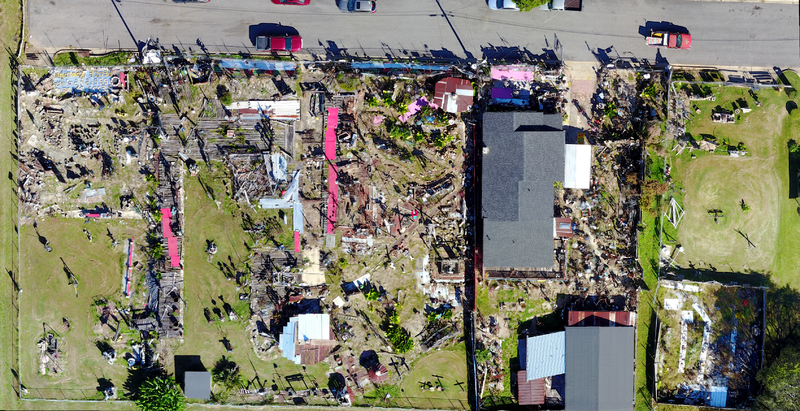
    Joe Minter is a Birmingham-based artist who creates site-specific sculptures on and around his property, many of which comprise his large installation, the African Village in America. The recorded flyover below provides a bird’s eye view of this site, created between 1989 and the present. Learn more about Minter and his work here by viewing a catalogued collection of his works, watching intimate conversations, taking the 3D tour, or reading about him and his work.

    Supported By:

    Project Status:
    Live

    Website Link:
    https://adhc.lib.ua.edu/Joe_Minter/s/joe-minter-african-village/page/welcome

    Project Owner(s):
    Sara-Maria Sorentino

    Discipline:
    American Culture & Society

    Research Method(s):
    Oral History
    3D Tour
    Photography

    Topic(s):
    African American Art
    Alabama

    Suggested Citation:

    Sorentino, Sara-Maria. “Joe Minter’s African Village in America.” Alabama Digital Humanities Center. https://adhc.lib.ua.edu/Joe_Minter/s/joe-minter-african-village/page/welcome.

  • Journal of A Pandemic Year

    Journal of A Pandemic Year

    This digital museum accompanies Peacock and Peterson’s book, A Deeper Sickness: Journal of America in the Pandemic Year. Beacon Press, 2022.

    The DAILY ENTRIES cover 200 days of the year 2020. Search for a particular day using the tool in upper right corner of the site, or just get started here!. You can explore over 12,000 sources collected from the year, along with an extraordinary amount of additional material including interview transcripts, social media posts, submitted eyewitness accounts, and plenty of historical analysis.

    In the EXHIBITS section are housed essays from scholars around the country, creative works submitted by renowned artists, and meritorious undergraduate research projects—all of them dedicated to the study of 2020.

    Memory fades. Alongside the book, this site is an attempt to keep that memory raw. You might disagree with our analyses of these events. We encourage you to examine the sources for yourself. There are certain realities about this year that should not be forgotten. Yet Americans, as we found, too often substitute folklore for history.

    Supported By:

    Project Status:
    Live

    Website Link:
    https://adhc.lib.ua.edu/pandemicbook/


    Project Owner(s):
    Margaret Peacock
    Erik Peterson

    Discipline:
    History

    Research Method(s):
    Documentary Research
    Primary Sources

    Topic(s):
    COVID-19

    Suggested Citation:

    Peacock, Margaret, and Erik Peterson. “Journal of A Pandemic Year.” Alabama Digital Humanities Center. https://adhc.lib.ua.edu/pandemicbook/.

  • The History of Enslaved People at UA, 1828-1865

    The History of Enslaved People at UA, 1828-1865

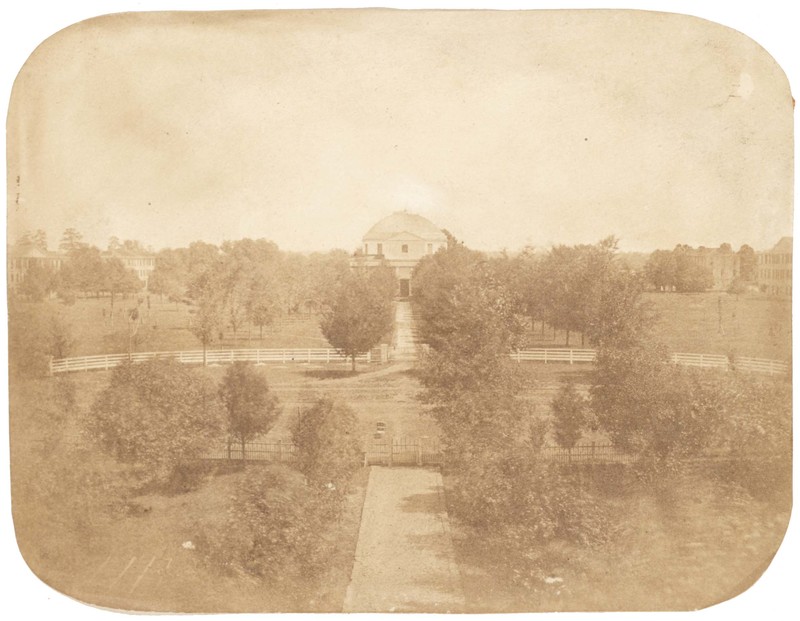
    This project is the result of the work of the Task Force for Studying Race, Slavery, and Civil Rights at UA and documents their comprehensive assessment of University of Alabama Administration Records for the period up to 1865. This project seeks to ensure that all materials pertaining to slavery at the university is identify and transcribe the contents of the main record sets from this time including President Basil Manly’s diaries, President Landon Garland’s letterbooks, the Faculty Minutes, and the collection most commonly referred to as the “slave receipts.” Most important of all, however, was identifying as many of the enslaved individuals who labored on UA’s campus, or who were enslaved by faculty and college presidents, as possible and entering those names, and the records associated with them, in a database.

    Supported By:

    Project Status:
    Live

    Website Link:
    https://studyingslavery.ua.edu/s/uastudyingslavery/page/home

    Project Owner(s):
    The University of Alabama Department of History
    Discipline:
    History

    Research Method(s):
    Documentary Research
    Primary Sources

    Topic(s):
    Enslaved People

    Suggested Citation:

    The University of Alabama Department of History. “The History of Enslaved People at UA, 1828-1865.” Alabama Digital Humanities Center. https://studyingslavery.ua.edu/s/uastudyingslavery/page/home.

  • Letters from the Scottsboro Boys Trials

    Letters from the Scottsboro Boys Trials

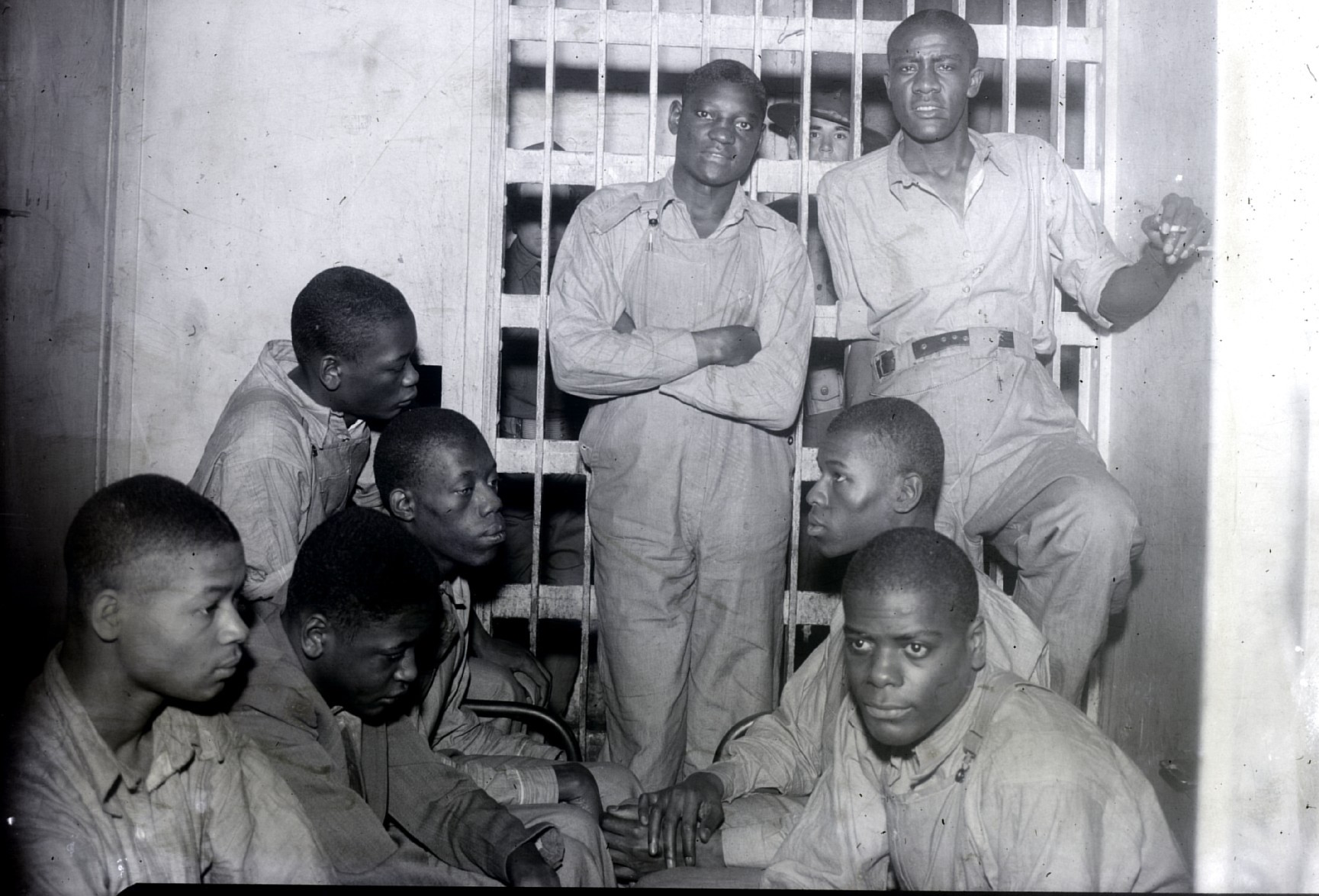
    More than eighty years ago, on March 25, 1931, nine young African Americans hopped a train in a Chattanooga freight yard and headed west to seek work. Instead, they found themselves joined together at the center of a life and death courtroom drama, falsely accused of rape. The Scottsboro Boys’ cases focused an international spotlight on Jim Crow in America in the 1930s. In 2013, Alabama legislators passed two bills, acknowledging that the men were “victims of a gross injustice.” One, a resolution, exonerated the nine defendants; and the other created a law making it possible to grant posthumous pardons to the Scottsboro defendants. Part of the Scottsboro Boys Museum University-Community partnership, this digital project aims to create a curated online repository of letters about the Scottsboro Boys Trials sent to Alabama governors during the 1930s from a wide range of correspondents to shed new light on these pivotal historical events.

    Supported By:

    Project Status:
    Live

    Website Link:
    https://scottsboroboysletters.barefield.ua.edu/

    Project Owner(s):
    Ellen Spears (Retired)

    Discipline:
    History

    Research Method(s):
    Primary Sources
    Digital Archive

    Topic(s):
    Scottsboro Boys
    Civil Rights
    Alabama

    Suggested Citation:

    Spears, Ellen. “Letters from the Scottsboro Boys Trials.” Alabama Digital Humanities Center. https://scottsboroboysletters.barefield.ua.edu/.

  • Alabama Memory

    Alabama Memory

    Inspired by the work of Ida B. Wells, W. E. B. Du Bois, and the Equal Justice Initiative in Montgomery, the Alabama Memory Project is an ongoing attempt to recapture the lives of the lynching victims and attempted lynching victims in Alabama before the worst day of their lives. We consider attempted lynchings along with documented lynchings in an effort to capture the breadth of lynch violence and its impact on survivors and their communities.

    The Black men, women, and children who were lynched died twice to history. First, when their lives were taken by lynch mobs; and again, when history failed to record their story. There are over 800 documented cases of racial terror lynchings in the state of Alabama. We hope that by sharing their names and their stories, this project will provide a measure of justice and a different memory of the past. This project is an ongoing effort.

    Supported By:

    Project Status:
    Live

    Website Link:
    https://adhc2.ua.edu/VOH/s/vietnamwaroralhistoryarchive/page/home

    Project Owner(s):
    John Giggie

    Discipline:
    History

    Research Method(s):
    Primary Sources
    Mapping

    Topic(s):
    Lynching Victims

    Suggested Citation:

    Giggie, John. “Alabama Memory.” Alabama Digital Humanities Center. https://adhc1.ua.edu/alabama_memory/.

  • Notre Dame in Color

    Notre Dame in Color

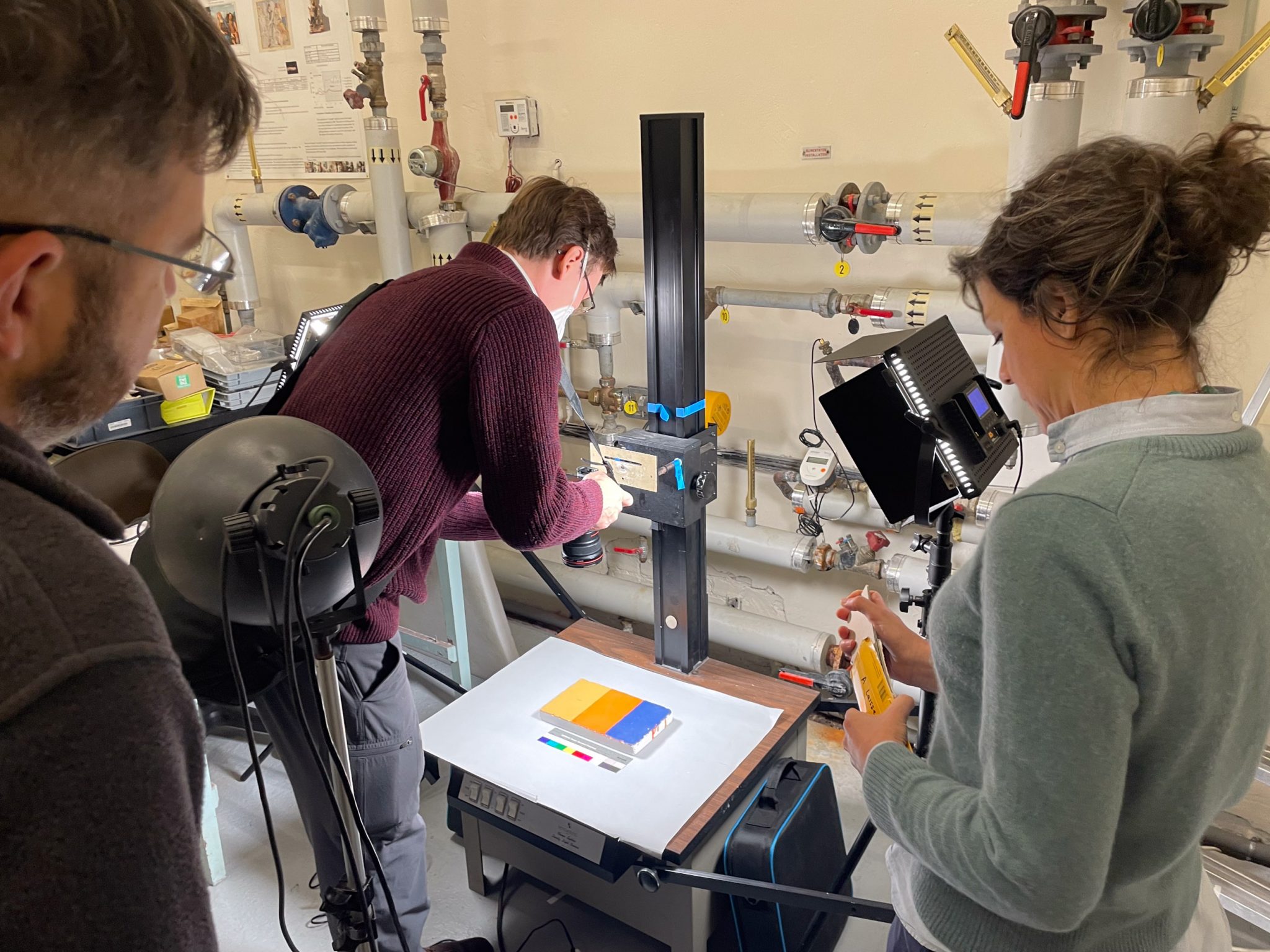
    Notre Dame in Color is an international collaborative research project that brings together scientists, artists, and art historians to enrich our understanding of the multi-chromatic environment of the Cathedral of Notre-Dame in Paris. Together, we are documenting, analyzing, and developing new digital visualizations of the polychromed sculptures of Notre Dame in order to preserve the cathedral for future generations. Content will be added as work progresses through 2026.

    Supported By:

    Project Status:
    Live

    Website Link:
    https://adhc1.ua.edu/notre_dame_in_color/

    Project Owner(s):
    Jennifer Feltman

    Contributors:
    Alexandre Tokovinine

    Discipline:
    Art History

    Research Method(s):
    3D Modeling

    Topic(s):
    Art History
    Medieval Sculpture

    Suggested Citation:

    Feltman, Jennifer. “Notre Dame in Color.” Alabama Digital Humanities Center. https://adhc1.ua.edu/notre_dame_in_color/.

  • ADHC Talks Podcast: A Conversation with Vincent Scalfani (5.2)

    Description

    Our guest today is Dr. Vincent F. Scalfani. Vincent serves as the director of research computing services at the University of Alabama Libraries, providing leadership and support for the newly evolving research computing services across the disciplines. Additionally, he serves as subject liaison for chemical sciences and mathematics. Before joining the University of Alabama in 2012, he earned a PhD in chemistry from Colorado State University.

    His research interests include chemical information and cheminformatics. Today, we’re going to be talking about a project that has been ongoing, a project that I am just absolutely in love with. It’s the University of Alabama Libraries Scholarly API Cookbook, which is an open-access online book featuring concise code examples or recipes that illustrate how to interact with various scholarly web service APIs.

    These APIs enable researchers to automate search queries, customize data sets, and more easily integrate their information workflows into downstream data analysis processes. Launched in 2022, the cookbook is continually enhanced and updated by student programmers at the libraries. Vin and I have been on faculty here at the university libraries for about 13 years.

    Season: 5

    Episode: 2

    Date: 3/2025

    Presenter: Vincent Scalfani

    Topic: Scholarly API Cookbook

    Tags: Coding; Scholarly API research; research computing